


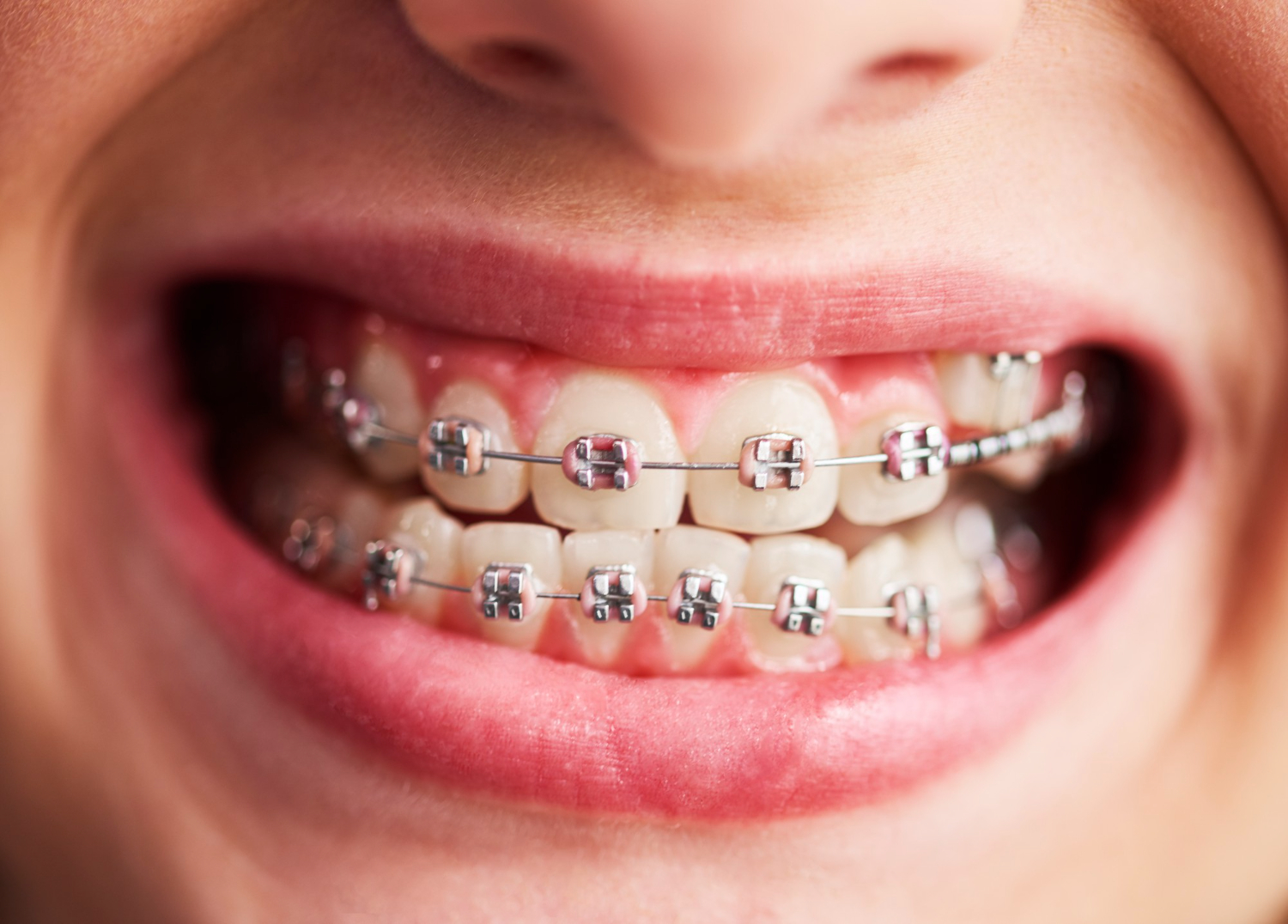
If you or your child is new to braces, orthodontic wax may quickly become one of your favorite tools. This small, simple product can make a big difference when a bracket or wire feels uncomfortable. Orthodontic wax (sometimes called braces wax or dental wax) is a soft, moldable material placed over brackets or wires that rub against the inside of the cheeks, lips, or gums. It creates a smooth barrier between the braces and the sensitive tissues inside the mouth, giving irritated areas time to heal.
When Should You Use Orthodontic Wax?
It is common for braces to cause mild irritation during the first few days of treatment while the mouth adjusts. Orthodontic wax can help if:
- A bracket is rubbing against your cheek or lip
- A wire feels sharp or begins poking
- A hook is irritating the inside of your mouth
- You develop a small sore near your braces
A loose or broken bracket feels uncomfortable while you wait to see your orthodontist
Wax is especially helpful during the first week with braces, but it can be used anytime
throughout treatment.
How Do You Apply Orthodontic Wax?
- Wash your hands. Always start with clean hands.
- Identify the irritating area. Find the bracket, hook, or wire causing discomfort.
- Dry the area. Use a clean tissue or cotton swab to dry the bracket. Wax sticks better to a dry surface.
- Use a small piece. Break off a piece about the size of a small pea.
- Roll and warm the wax. Gently roll it between your fingers until it becomes soft and smooth.
- Press it into place. Place the wax over the irritating area and gently press it around the bracket or wire to create a smooth surface.
If the wax falls off, simply replace it with a fresh piece.
Should You Remove Orthodontic Wax Before Eating?
Yes. Orthodontic wax should be removed before eating or brushing your teeth. Afterward, clean and dry the area before applying a fresh piece of wax.
How Often Should You Replace It?
Replace orthodontic wax whenever it becomes loose, dirty, or filled with food particles. It is also a good idea to replace it after meals and before bed. Avoid leaving the same piece in place for an extended period.
Does Orthodontic Wax Fix a Broken Bracket or Poking Wire?
Orthodontic wax provides temporary relief, but it does not repair a broken bracket or wire. If a wire continues to poke, a bracket becomes loose, or wax is not relieving the discomfort, please contact our office. We can help determine whether you need to come in for an appointment.
What If the Irritation Does Not Improve?
Mild irritation normally improves as the mouth adjusts to braces. Warm salt water rinses may also help soothe a tender spot. Please call us if your child experiences severe or worsening pain, significant swelling, bleeding, signs of infection, or an injury that orthodontic wax cannot comfortably cover. We would always rather hear from you and make sure everything is progressing properly.
Where Can You Get More Orthodontic Wax?
Dr. Tajaddod and our orthodontic team provide wax when braces are placed, and you are always welcome to stop by our office if you need more. Orthodontic wax is also available at most pharmacies and grocery stores in the dental-care section.
Keep a small container at home, at school, in your child’s backpack, or in a travel bag so it is always nearby when needed.
Questions About Braces?
At Tajaddod Orthodontics, we want every patient to feel informed, comfortable, and supported throughout treatment. From our office in Palo Alto, we proudly serve families from Menlo Park, Los Altos, Mountain View, Sunnyvale, Redwood City, and throughout the Bay Area. If you have questions about orthodontic wax, braces, or your child’s treatment, call us at (650) 854-8888. We are always happy to help and you can always schedule a complimentary consultation online.


