


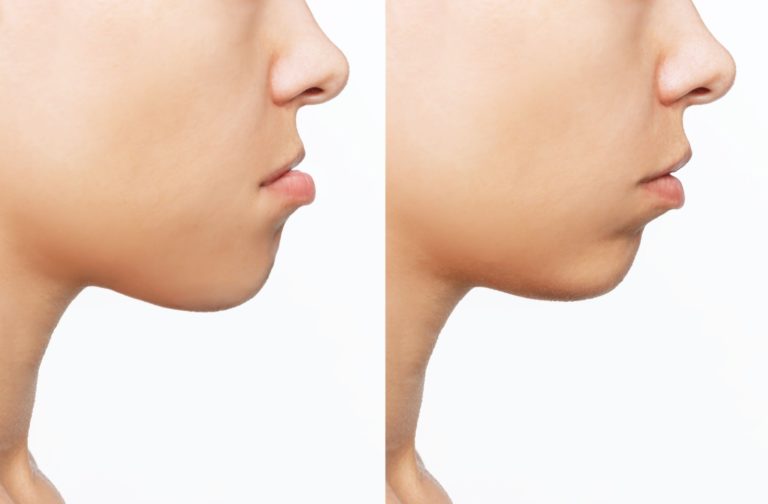
If you've ever been told you have an overbite, underbite, crossbite, or open bite, you may have found yourself wondering: "What does that actually mean?"
Your bite affects much more than the appearance of your smile. It can influence chewing, speaking, tooth wear, jaw comfort, and long-term oral health. We break down the most common bite types in a simple and practical way:
First: What Is a "Bite"?
When orthodontists like Dr. Tajaddod talk about your bite, they're referring to the relationship between your upper and lower teeth.
Ideally, your upper teeth should slightly overlap your lower teeth, allowing everything to fit together comfortably and function efficiently.
When that relationship is off, it's called a malocclusion, or bite issue.
What Is an Overbite?
An overbite occurs when the upper front teeth overlap the lower front teeth more than normal.
A small amount of overlap is actually healthy and expected. However, when the overlap becomes excessive, it can create problems.
Some patients with a significant overbite notice:
- Excessive wear on certain teeth
- Difficulty biting into foods
- Jaw discomfort
- Lower teeth contacting the roof of the mouth
- A "deep bite" appearance when smiling
Many people assume all overbites are severe, but they can range from very mild to more pronounced.
What Is an Underbite?
An underbite is essentially the opposite.
With an underbite, the lower teeth sit in front of the upper teeth when biting down.
This can affect both function and appearance and may make chewing more challenging in some cases.
Patients with an underbite sometimes notice:
- Difficulty biting or chewing certain foods
- Increased wear on teeth
- Jaw strain
- Changes in facial profile or appearance
Because underbites often involve the relationship between the upper and lower jaws, early evaluation can be particularly important for growing children.
What Is a Crossbite?
A crossbite occurs when some upper teeth sit inside the lower teeth instead of outside them.
A crossbite can affect a single tooth, several teeth, or an entire side of the mouth.
Unlike some bite issues that patients notice immediately, crossbites can be difficult to identify without an orthodontic evaluation.
Left untreated, crossbites may contribute to:
- Uneven tooth wear
- Gum recession around certain teeth
- Jaw shifting when biting
- Asymmetrical growth patterns in children
Crossbites are often easier to correct when identified early.
What Is an Open Bite?
An open bite occurs when the upper and lower front teeth do not touch when the back teeth are together.
In other words, there's a visible gap between the front teeth even when the mouth is fully closed.
Patients with an open bite may notice:
- Difficulty biting into foods like sandwiches or pizza
- Certain speech challenges
- Increased pressure on back teeth
- Difficulty bringing front teeth together
Open bites can develop for several reasons, including genetics, thumb sucking, tongue posture, or airway-related factors.
Why Do Bite Problems Matter?
Many patients assume orthodontic treatment is only about straightening teeth.
In reality, one of the most important goals of orthodontics is creating a healthy, functional bite.
When teeth fit together properly, it can help:
- Improve chewing efficiency
- Reduce uneven tooth wear
- Support jaw comfort
- Improve long-term stability
- Make brushing and flossing easier
A beautiful smile and a healthy bite often go hand in hand.
Can Invisalign® or Braces Correct Bite Problems?
In many cases, yes.
Both Invisalign and braces can be highly effective tools for improving overbites, underbites, crossbites, and open bites. The best treatment depends on factors such as age, growth, severity of the bite issue, and overall treatment goals.
Every smile is unique, which is why a comprehensive orthodontic evaluation is important before determining the best approach.
The Bottom Line
If you've been told you have one of these bite issues (or if you've noticed concerns with chewing, tooth wear, or jaw comfort) an orthodontic consultation at our office can help determine what's happening and what options are available.
Understanding your bite is the first step toward creating a smile that looks great, functions well, and stays healthy for years to come.


