


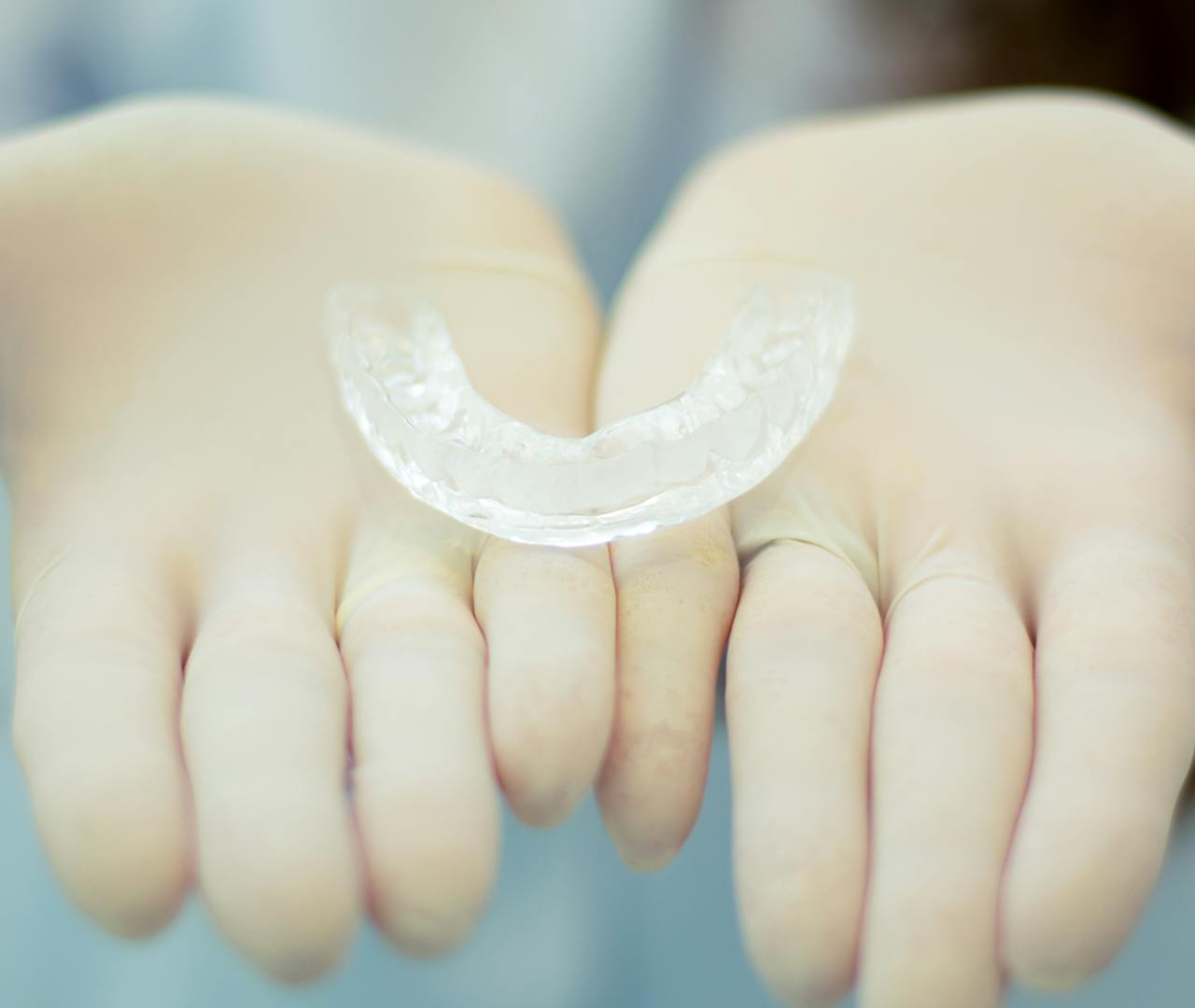
You’ve completed your orthodontic journey—braces, Invisalign, or whichever path brought you to your new smile. Your smile looks beautifully aligned, your bite feels balanced, and after months (or years) of commitment, you’re finally seeing the results you envisioned.
So it’s a natural question patients ask at this stage: “Do I really need to wear a retainer now?” The short answer is: yes—and it’s one of the most important parts of your entire treatment.
At Merna Tajaddod Orthodontics in Palo Alto, we often remind patients that whether you’ve completed Invisalign or braces, treatment doesn’t truly end when your aligners or brackets come off. Retention is what protects everything you’ve worked so hard to achieve.
Why Teeth Naturally Shift After Invisalign or Braces
Even after your teeth are aligned, they are not “locked” into place.
Your teeth are supported by bone and soft tissue that have just gone through a period of movement. After orthodontic treatment, these structures need time to stabilize and adapt.
Without a retainer, teeth can begin to shift due to:
- Natural aging and bite changes
- Everyday pressure from chewing and speaking
- Jaw growth or subtle movement over time
- Genetics and original crowding patterns
This process, known as orthodontic relapse, can happen more quickly (and more noticeably) than most people expect.
What a Retainer Actually Does
A retainer is designed to hold your teeth in their new position while your bone and surrounding tissues fully stabilize.
Think of it this way: Orthodontic treatment moves your teeth into place—your retainer keeps them there.
Wearing a retainer consistently:
- Preserves your alignment
- Protects your bite correction
- Prevents spacing or crowding from returning
- Supports long-term oral health
Without it, even small shifts can gradually undo months (or years) of progress.
What Happens If You Don’t Wear Your Retainer?
This is where patients may underestimate the importance of retention. Skipping your retainer—even for a short period—can lead to:
- Teeth slowly drifting out of alignment
- Tightness or discomfort if you try to wear it again later
- The need for additional orthodontic treatment
In some cases, patients who stop wearing their retainers may need to restart Invisalign or braces to correct the shifting.
The reality is: It’s much easier—and more cost-effective—to maintain your smile than to fix it again.
How Long Do You Need to Wear a Retainer?
Retention isn’t temporary, it’s a long-term commitment, but it becomes very manageable. Most patients follow this general guideline:
- Initial phase: Full-time wear (similar to aligners)
- Long-term: Nighttime wear
- Over time, wearing your retainer at night becomes part of your routine—simple, comfortable, and essential.
Retainers and Long-Term Oral Health
Beyond aesthetics, retainers also support your overall oral health. When teeth remain aligned:
- Brushing and flossing are more effective
- There is less risk of plaque buildup
- Gum health is easier to maintain
- Bite function stays balanced
Your retainer maintains your smile AND protects your long-term dental health.
A Thoughtful Perspective: Protecting Your Investment
Choosing Invisalign or braces is an investment—in your confidence, your health, and your future. Wearing your retainer is how you protect that investment for years to come. With consistent wear, your retainer ensures that the smile you achieved stays beautifully aligned long after treatment ends.
At Merna Tajaddod Orthodontics, our Palo-Alto based team guides you through every phase of your smile journey—from your first consultation to long-term retention. Whether you’re considering Invisalign or braces, we’re here to help you achieve results that last.
Schedule your complimentary consultation and experience personalized orthodontic care designed for lasting smiles.


